
Ranggalawe 2025: Tuban Gedhog Weaving Becomes Spotlight in Nusantara Cultural Knot
Tuban's unique textile heritage is once again echoing on the national stage through the Ranggalawe Cultural Exhibition: The Red Thread of Bio-Cultural Diversity of Indonesian Clothing, held at the National Design and Industry Center (PDIN) Yogyakarta, July 18–27, 2025.
MEDIA ARTICLE
admin
7/19/2025
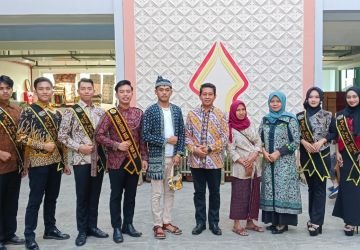
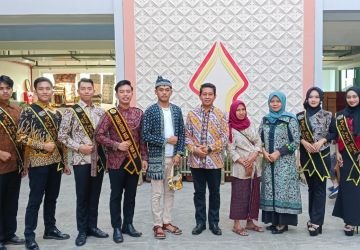
Tuban (cokronews.com) — Tuban's distinctive textile heritage is once again reverberating on the national stage with the Ranggalawe Cultural Exhibition: The Red Thread of Bio-Cultural Diversity of Indonesian Clothing, held at the National Center for Design and Industry (PDIN) Yogyakarta, July 18–27, 2025. This exhibition is the culmination of over a decade of research and mentoring by the Sekar Kawung Foundation in various villages across the archipelago—including Kerek, Tuban Regency.
Acting Head of the Tuban Manpower and Industry Agency (Disnakerin), Suwito, who was present at the exhibition site with the Head of the Industry Division, Eryan Dewi Fatmawati, on Friday (July 18th), expressed his appreciation for the extraordinary contribution of the Kerek community and Sekar Kawung's commitment to preserving and developing local cultural heritage. "This exhibition not only showcases products, but also reassembles historical traces, trade routes, and bio-cultural riches that once existed and are now being revived through a participatory, cross-generational approach," said Suwito.
Since 2021, the Mawar Biru Batik Group in Gaji Village, Kerek District, Tuban, has received intensive mentoring from the Sekar Kawung Foundation, supported by Dana Indonesiana – the Indonesian Ministry of Culture and the Maybank Foundation. The results of this lengthy process are now elegantly presented in three main exhibition zones: the archives room, the contemporary art room, and the bazaar room.
The name "Ranggalawe" is derived from the words Rangga (red) and Lawe (thread), symbolizing the red thread connecting cultural narratives from village to village: from Sungai Utik (West Kalimantan), Lambanapu (East Sumba), Dukuh (Bali), Beringin Tinggi (Jambi), Karangasem (Klaten), and Kerek (Tuban). Sekar Kawung presents this documentary trail in the Travel Archive Room, which displays research, traditional weaving tools, and a collection of authentic fabrics.
One of the special moments to be displayed is a collaborative work between 12 Tuban Batik Artists and international artist Arahmaiani. This work symbolizes the collective strength of the local youth and contemporary artistic expression in dialogue with tradition.
Meanwhile, the Contemporary Art Space showcases artistic responses from national artists such as Andi Firda Arifa, Annisa Yuniar, Arfi Setiawan, Gogon, and a collaboration between Mak Jasmi and Mak Siswa and Putra-Putri Batik Tuban, the result of a hands-on workshop in Kerek District.
Tuban's signature gedhog woven fabric is not only a cultural artifact but also the primary material in various products at the Bazar Space, ranging from modern clothing and Tuban cotton dolls to eco-friendly accessories. "This weaving is not only aesthetic, but also narrative. It tells the story of cotton grown, spun, and woven by the hands of local communities," explained Suwito.
Visitors can also participate in a series of interactive workshops designed to introduce the techniques and cultural values of the gedhog woven production process:
Weaving Class (July 22–24): a three-day weaving training scholarship.
Stingray Doll Making Workshop (July 19): using gedhog cloth and natural materials.
Kambuli Embroidery Workshop (July 20): embroidering Tuban batik motifs with natural Sumbanese thread.
Jeans Upcycling Workshop (July 26): transforming used denim into new products with a touch of gedhog weaving.
Gallery Tours are also held daily for students and the general public, as an effort to educate and regenerate the cultural value of textiles among young people.
This exhibition is a collaboration between the Sekar Kawung Foundation, the Yogyakarta City Industry Agency, the Tuban Regency Manpower and Industry Agency (Dinaskerin), and other strategic partners. Sekar Kawung emphasizes not only aesthetics but also sustainability: educating the public about the dangers of fast fashion, the importance of natural textiles, and the carbon emissions of the modern clothing industry.
The former Soko Sub-district Head concluded with optimism. "We hope this will be the beginning of a leap forward for the bio-cultural-based creative industry in Tuban. By preserving tradition, we are building the future," Suwito hoped.
Contacted separately, the Chairperson of the Tuban Regency National Crafts Council (Dekranasda), Aulia Hany Mustikasari, expressed her appreciation and pride for the display of creative works by Tuban youth at the 2025 Ranggalawe Cultural Exhibition in Yogyakarta. She emphasized that the involvement of the younger generation is not merely complementary, but a crucial part of sustainable cultural transformation.
"This is the work of Tuban's youth. It's not just batik and woven fabrics that are being brought to the national stage, but also the passion, ideas, and potential of their human resources. They prove that age is no barrier to creativity and involvement in major forums. This is both a source of pride and an opportunity for them to demonstrate their quality," she said.
According to Hany, the participation of the younger generation in the creative process, from production to artistic collaboration, demonstrates that gedhog weaving is not merely a visual delight, but also a valuable resource.
They also possess a strong sense of identity, narrative, and innovation. They are not merely craftsmen, but also creators capable of responding to the challenges of the times.
"We are not only proud of the final product, but also of the process behind it—which involves dedicated young hands. And this demonstrates that Tuban's human resources are capable of adapting and building relationships across communities and disciplines," Hany continued.
He added that Dekranasda Tuban is committed to not stagnating, but rather to becoming a vibrant, creative space open to collaboration across ages, generations, and sectors.
"My hope is that Dekranasda cannot remain monotonous. We must continue to create and innovate, especially by engaging the younger generation. The Tuban Regency Government, through various programs, provides equal opportunities for participation. There is no discrimination based on age, and this exhibition is clear evidence that when young people are given space, they can shine," he emphasized.
With this collaborative spirit, Dekranasda Tuban will continue to strengthen the position of local crafts not only in the market but also in progressive cultural discourse. Tuban's gedhog weaving, he believes, has now become a symbol of the quality and competitiveness of local human resources, ready to compete on the national and international stage.
*News reported by Cokronews.com https://cokronews.com/ranggalawe-2025-tenun-gedhog-tuban-jadi-sorotan-dalam-simpul-budaya-nusantara-di-yogyakarta/ and originally written in Bahasa Indonesia.